
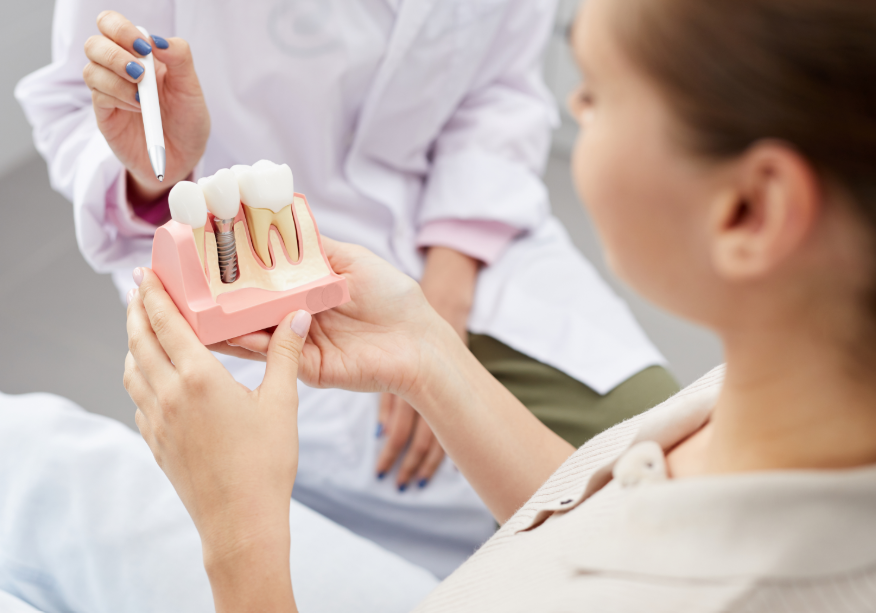
Menopause is a natural stage of life that brings a variety of hormonal changes, many of which can affect overall health—including oral health. One area patients often have questions about is how menopause may influence dental implants or the ability to receive them.
While menopause does not automatically prevent someone from getting dental implants, it can introduce factors that need to be carefully considered during treatment planning. The key is understanding how changes in bone density, gum health, and healing response may play a role.
The good news is that with proper evaluation and care, many postmenopausal patients are still excellent candidates for dental implants.
How Menopause Affects Bone Density
One of the most important considerations when it comes to dental implants is bone health. Implants rely on the jawbone for stability, and successful treatment depends on strong, healthy bone that can support integration.
During menopause, estrogen levels decline. Estrogen plays a role in maintaining bone density throughout the body, including the jaw. As a result, some individuals may experience a gradual decrease in bone mass after menopause.
This does not mean implants are off the table, but it does mean that bone quality and quantity should be carefully assessed before treatment begins. In some cases, additional procedures such as bone grafting may be recommended to create a stable foundation for implants.
Healing and Osseointegration After Menopause
Dental implants rely on a process called osseointegration, where the implant fuses with the surrounding bone. This biological process is essential for long-term implant success.
Hormonal changes associated with menopause may influence how quickly or efficiently the body heals, but research shows that many postmenopausal patients still achieve successful osseointegration. The outcome often depends more on overall health, bone quality, and oral hygiene than menopause alone.
Patients who maintain good health habits and follow post-operative instructions typically experience positive healing outcomes.
Gum Health Considerations
Menopause can also affect gum health. Some individuals may notice changes such as dry mouth, increased sensitivity, or a higher risk of gum inflammation due to hormonal shifts.
Healthy gums are essential for supporting dental implants, so managing gum health becomes an important part of treatment planning. Regular dental cleanings, good at-home oral hygiene, and early treatment of gum issues can all help create a stable environment for implants.
Your dentist may recommend additional preventive care to ensure your gums are in the best possible condition before implant placement.
Are Dental Implants Still a Good Option?
For most postmenopausal patients, dental implants remain a highly effective and reliable solution for missing teeth.
Factors such as bone density, overall medical history, and lifestyle habits tend to have a greater impact on implant success than menopause itself. Many patients in this stage of life receive implants successfully and enjoy long-lasting results.
In fact, implants can be especially beneficial after tooth loss because they help preserve jawbone structure and support facial aesthetics over time.
Supporting Long-Term Implant Success
If you are considering dental implants after menopause, there are several steps that can help improve your chances of success:
- Maintain strong oral hygiene habits at home
- Keep up with regular dental visits and cleanings
- Discuss bone health with your dentist
- Address gum disease or inflammation early
- Follow all post-surgical care instructions carefully
In some cases, your dentist may also collaborate with your physician to ensure that any medications or health conditions are taken into account during treatment planning.
A Predictable Solution at Any Stage of Life
Menopause may bring changes to the body, but it does not close the door on restoring your smile. With modern implant dentistry, careful planning, and personalized care, many patients continue to achieve excellent results well after this stage of life.
The most important step is a thorough evaluation to understand your unique oral health needs and determine the best path forward.
Dental implants remain one of the most dependable ways to replace missing teeth, regardless of age.
About the Practice
At My Dentist Riverdale, Dr. Cumberbatch and Dr. Lu provide comprehensive restorative and implant dentistry focused on long-term oral health and patient comfort. The practice offers advanced dental implant solutions designed to restore missing teeth and support healthy jawbone structure. With a patient-centered approach and modern technology, our dentists work closely with individuals to create customized treatment plans that consider overall health factors, including hormonal changes and bone density, ensuring safe and effective outcomes for patients at every stage of life.
Call us at (301) 927-8478 or schedule your appointment online.